The Buzz Around the $2,000 Tariff Stimulus
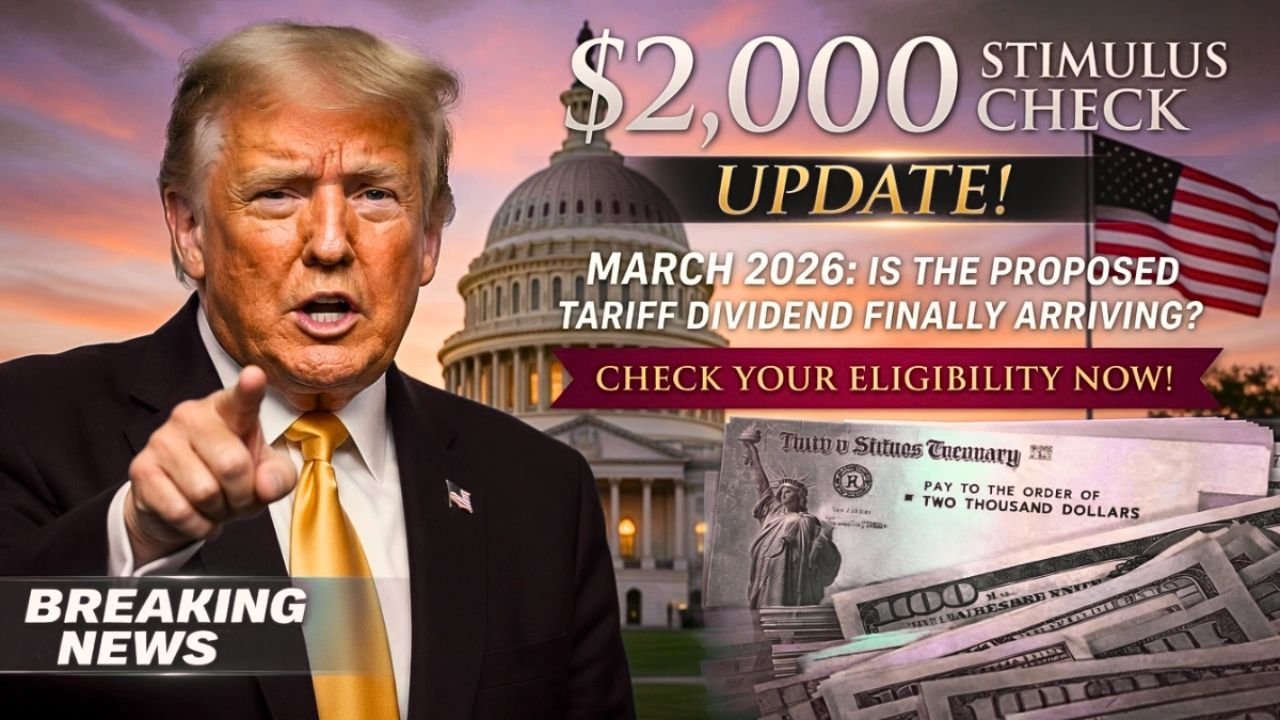
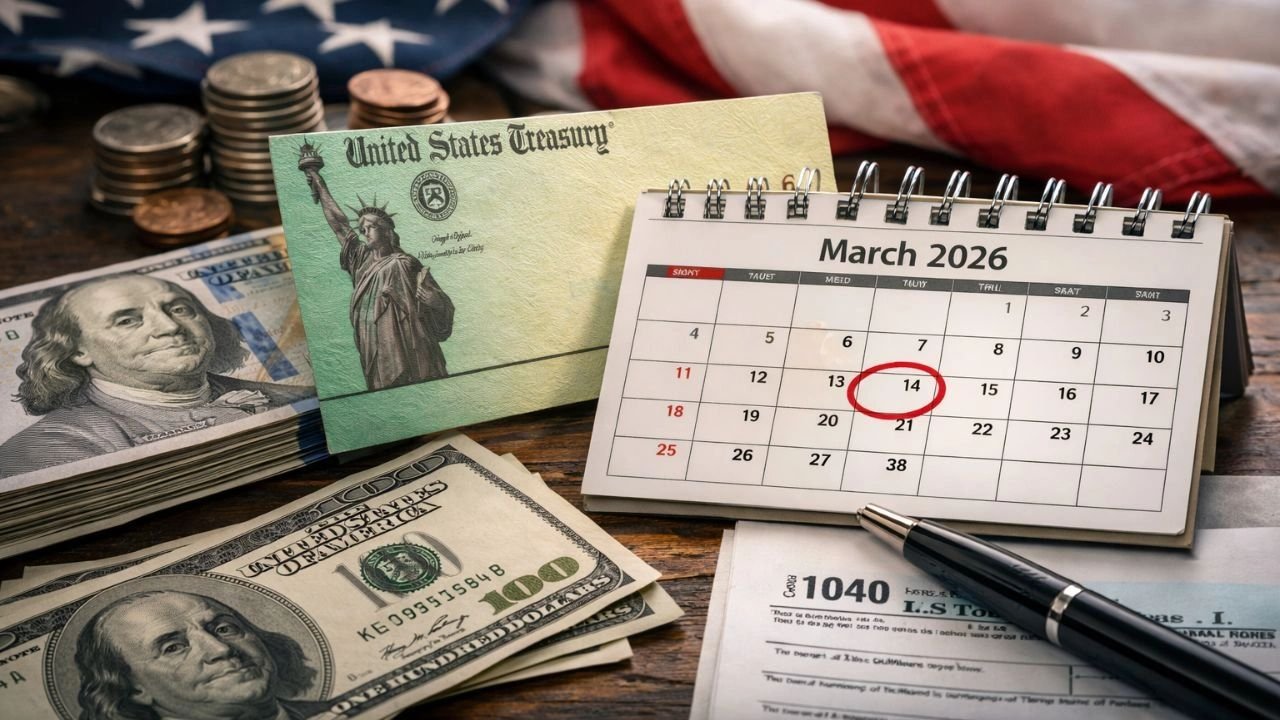
In 2026, a new financial concept has captured the attention of many Americans: the proposed $2,000 "tariff stimulus" or "tariff dividend." This idea has sparked widespread curiosity about its legitimacy, eligibility criteria, and potential arrival. Although the proposal appears promising at first, the reality is much more complex and uncertain.
Understanding the Tariff Stimulus Concept
The tariff stimulus proposal is rooted in the idea that revenue from tariffs, which are taxes on imported goods, could be redistributed directly to American citizens. The government would collect money from foreign imports and potentially provide cash payments to the public, similar to the stimulus checks issued in previous years. The suggested amount commonly discussed is $2,000 per eligible individual. This approach is appealing as it promises financial relief without increasing traditional taxes.

Why the Idea Gained Popularity
The concept of the tariff stimulus gained traction due to economic challenges such as rising living costs and uncertainty. Many households are seeking financial support, and the idea of direct payments has naturally drawn significant attention. Political discussions and public statements have further fueled interest, leading to extensive online conversations about the potential arrival of these payments. However, increased attention does not equate to confirmation, and this is where confusion often arises.
The Current Status of the Tariff Stimulus
As of now, there is no confirmed $2,000 stimulus payment approved by the U.S. government or the IRS. Government agencies have made it clear that no such nationwide payment is scheduled for 2026. For any new stimulus program to be implemented, formal legislation would need to be passed by Congress. This means that the tariff stimulus remains merely a proposal and not an active or funded program.
Financial Challenges and Concerns
In theory, the tariff stimulus system seems straightforward: the government collects substantial revenue through tariffs on imported goods and redistributes a portion of it to citizens. This self-funded approach is distinct from previous stimulus checks, which were funded through government borrowing or budget allocations. However, the financial calculations present a significant challenge. Experts estimate that distributing $2,000 checks to Americans could cost around $400–$450 billion, while projected tariff revenues fall significantly short of this amount, creating a large funding gap.
Also Read:
 IRS Refund Delivery Changes in 2026
To bridge this gap, the government would need to either significantly increase tariffs or find additional funding sources, which would undermine the original intent of the proposal. Economists have voiced concerns about relying on tariffs to fund stimulus payments. One major issue is that tariffs often lead to higher prices for consumers. As import costs rise, businesses may pass these costs on to buyers. Reports suggest that tariffs can increase household expenses, potentially nullifying the benefits of receiving a payment.
In conclusion, while the idea of a $2,000 tariff stimulus is intriguing, it is not currently a reality. The proposal faces significant financial and logistical challenges that must be addressed before any payments can be made to the public.
Disclaimer: This article is for informational purposes only and does not constitute financial or legal advice. The information provided is based on the current understanding of the proposed tariff stimulus and is subject to change.