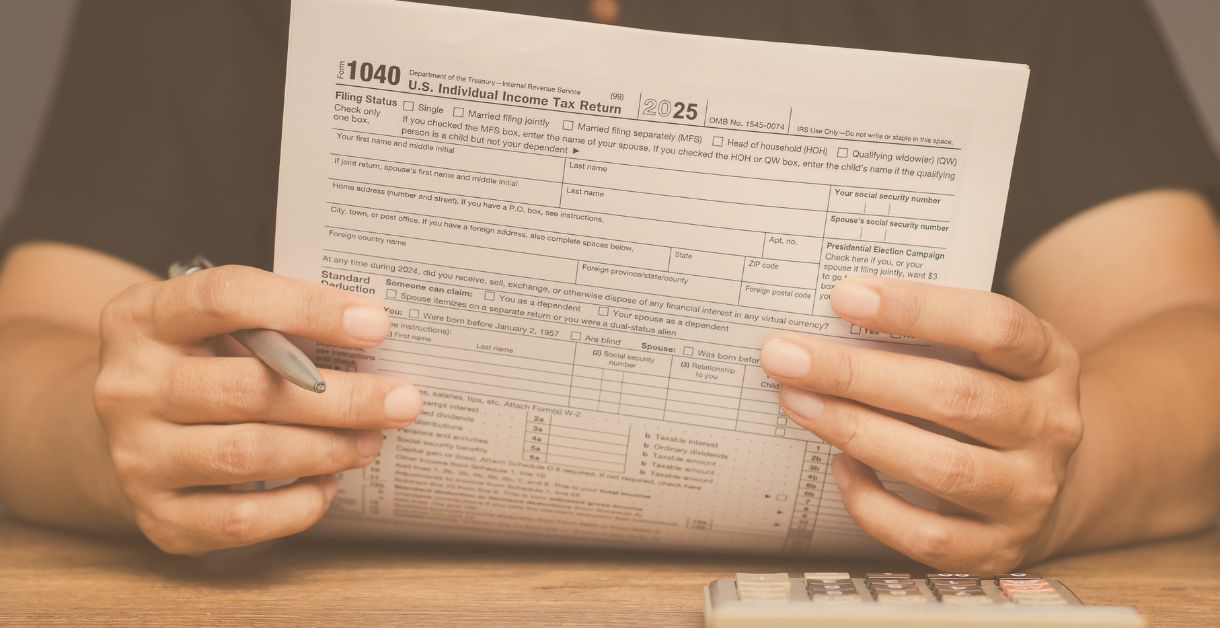
As the 2026 tax season kicks off, millions of taxpayers are eager to know when they can expect their IRS tax refunds. Understanding the IRS tax refund timeline for 2026 is crucial to planning your finances, avoiding any potential delays, and tracking your refund with confidence.
Key Filing Deadlines and the 2026 Tax Season
The 2026 tax filing season covers income earned during the 2025 tax year. Knowing the key filing deadlines is essential to avoid penalties and ensure a smoother refund process. The IRS typically allows electronic filing to begin in late January 2026, and the standard filing deadline for most taxpayers falls on April 15, 2026. Filing as early as possible is highly encouraged, especially for those anticipating refunds, as it can significantly speed up processing times.
Fastest Methods to Receive Your Tax Refund
The method you choose to file your tax return can greatly influence the speed of your refund. Electronic filing, or e-filing, is generally the fastest way to submit your return. When combined with direct deposit, it becomes the most efficient way to receive your refund quickly. In contrast, paper returns take longer due to the need for manual processing. Most taxpayers who opt for e-filing and direct deposit can expect to receive their refunds within two to three weeks after the IRS accepts their return.

Tracking Your Refund
Once you have filed your return, keeping an eye on the progress of your refund is important. The IRS offers an online tool called “Where’s My Refund?” which allows you to check the status of your refund. This tool updates refund information once every 24 hours, typically overnight, providing you with the latest details on your refund’s progress.
Potential Delays and How to Avoid Them
While many refunds are issued swiftly, certain issues can cause delays. Returns that claim the Earned Income Tax Credit (EITC) or Child Tax Credit may require additional verification steps, which can slow down processing. Other potential causes for delays include errors, identity verification needs, missing forms, or tax credit claims requiring further review. To avoid these hiccups and ensure a faster refund, consider filing early, double-checking your return for accuracy, using electronic filing, and opting for direct deposit.
Conclusion
The IRS tax refund timeline for 2026 serves as a useful guide for understanding when refunds may arrive and how the filing process works. While most refunds are issued within a few weeks, the exact timing depends on your filing method, the accuracy of your return, and IRS processing requirements. By staying informed, filing early, and monitoring your refund status, you can avoid delays and manage your finances more effectively during the 2026 tax season.
Also Read:
 IRS Refund Delivery Changes in 2026
Disclaimer: This article is for informational purposes only. IRS filing deadlines, refund timelines, and processes are subject to change. Always consult the IRS or a tax professional for the most current information.