The IRS Implements New Refund Delivery System
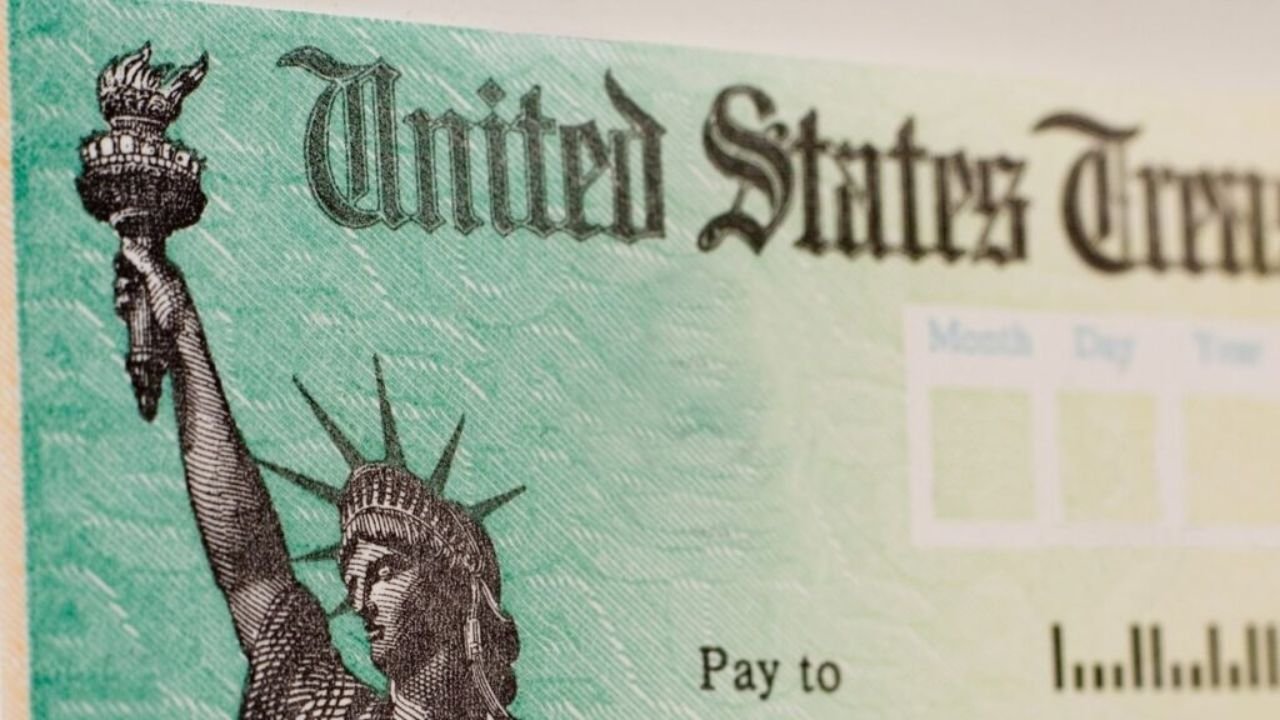
The Internal Revenue Service (IRS) is set to roll out significant changes to its refund delivery process, aligning with the federal government’s electronic payment modernization initiative. As of September 30, 2025, most U.S.-based taxpayers will no longer receive paper refund checks. This transition to electronic payments aims to streamline the refund process, although exceptions will be made for international taxpayers.
Transition to Electronic Refunds for U.S. Taxpayers
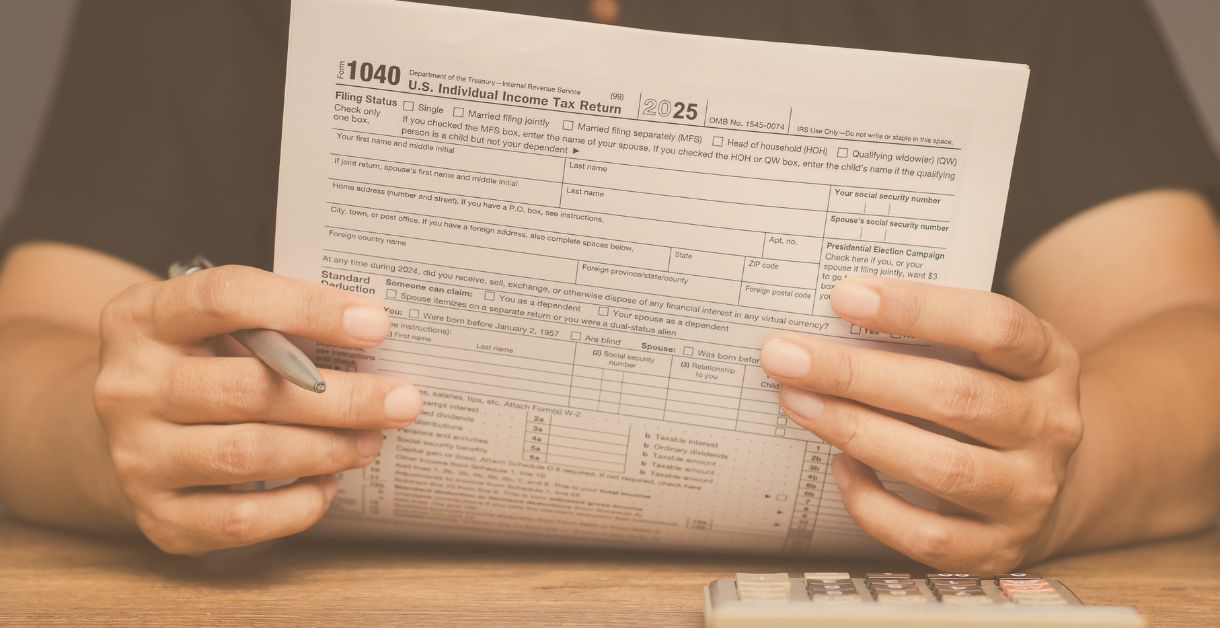
For taxpayers residing in the United States, the new system mandates the use of electronic refund delivery. This change means that direct deposit will become the standard method for receiving tax refunds. To facilitate this transition, taxpayers must provide accurate U.S. banking information, including a valid routing number and account number, on their tax returns. The IRS has also stated that certain alternative financial products, such as prepaid cards and mobile payment apps, may be used as long as they support Automated Clearing House (ACH) transfers.

Exceptions for Paper Checks
Despite the shift towards electronic refunds, the IRS acknowledges that some taxpayers may require paper checks. Exceptions will be granted in cases of specific hardships or procedural issues that do not support electronic options. To prevent any delays, domestic taxpayers should ensure that their banking details are up-to-date and review IRS guidance on the transition.
International Taxpayer Considerations
The refund process for international taxpayers will differ significantly under the new rules. Since the IRS does not deposit refunds into foreign bank accounts, taxpayers living outside the U.S. will continue to receive paper checks. They are not required to provide U.S. banking information, and their refunds will not be held if direct deposit details are absent. The IRS will issue paper checks to their foreign mailing addresses, although it's important to note that international mail can take six weeks or more to deliver, with delays of several months being possible depending on the destination country.
Options for Electronic Refunds for International Taxpayers
International taxpayers who prefer electronic refunds can choose this option if they have access to a financial product that offers a U.S. routing number and an account number capable of receiving IRS ACH deposits. This could include U.S. bank accounts, certain mobile banking apps, or prepaid debit cards. However, taxpayers should verify the compatibility of these financial products with IRS refund deposits.

Final Thoughts on the IRS Modernization
The IRS's move towards electronic payments is a significant step in modernizing the tax refund process. While it presents a more efficient system for U.S.-based taxpayers, international taxpayers still have the option of receiving paper checks if electronic methods are inaccessible. Taxpayers are encouraged to update their banking information and explore eligible financial products to ensure a smooth transition.
Disclaimer: This article is for informational purposes only and should not be considered as legal or financial advice. Readers should consult with a professional advisor for specific guidance related to their individual circumstances.