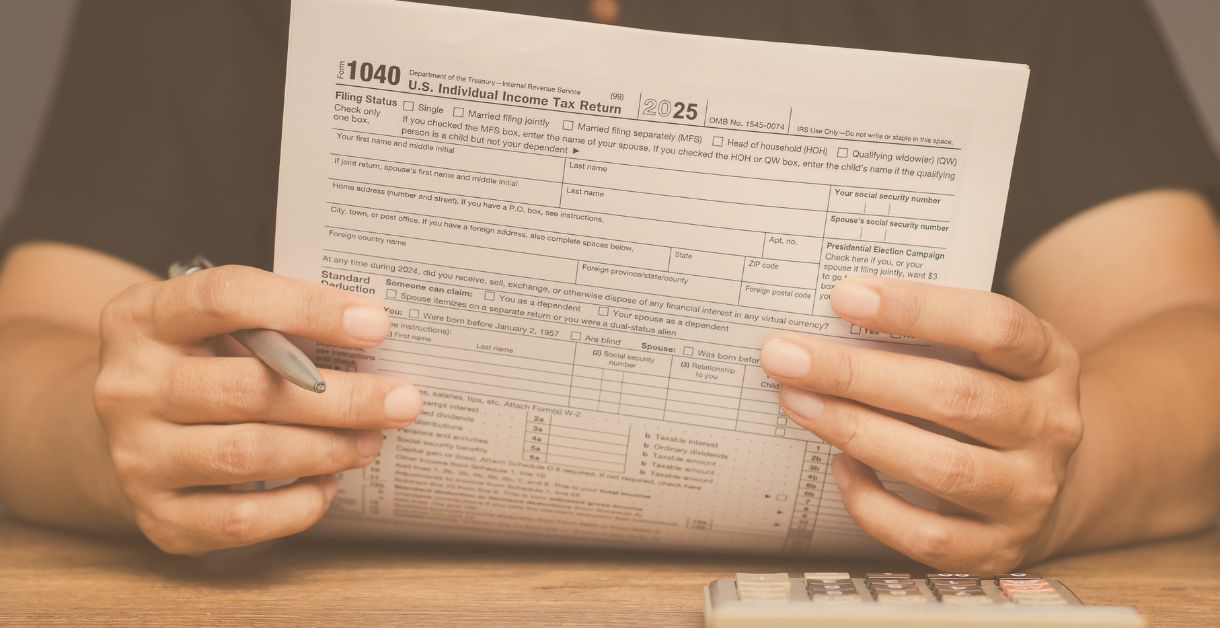
The 2026 Tax Season: Navigating New Challenges
The 2026 tax season has brought about significant changes that could impact the timely arrival of tax refunds for many taxpayers. With the introduction of stricter verification procedures, the time it takes for refunds to reach bank accounts may be extended for a substantial number of individuals. While many taxpayers still anticipate receiving their refunds within the standard processing window, the enhanced screening and identity verification measures mean that some payments could take longer than usual.
Understanding the Causes of Refund Delays
For households that depend on tax refunds for covering expenses, reducing debt, or building savings, even a brief delay can lead to financial disruptions. It is crucial to understand the reasons behind these delays and learn how to avoid them to navigate the tax season more smoothly. One of the main challenges tax authorities face is the growing threat of identity theft and fraudulent refund claims. Criminal networks often attempt to file tax returns using stolen personal information, aiming to claim refunds before legitimate taxpayers can submit their returns.

Strengthened Systems to Combat Fraud
In response to these challenges, the Internal Revenue Service (IRS) has enhanced its automated review systems. These systems now scrutinize tax returns more thoroughly, looking for inconsistencies, unusual patterns, or credit claims that may necessitate further verification. If a tax return triggers one of these alerts, the refund may be temporarily halted while additional checks are conducted. In most cases, the delay is due to routine verification steps rather than issues with the return itself.
Tax Credits and Increased Scrutiny
Certain tax credits are more likely to prompt refund reviews because they can significantly boost the size of a taxpayer’s refund. These credits are refundable, meaning the tax authority must confirm that the claims meet eligibility criteria before issuing payments. Credits commonly subject to additional scrutiny include the Earned Income Tax Credit (EITC), Additional Child Tax Credit (ACTC), American Opportunity Education Credit, recovery rebate adjustments, and large refundable credits claimed for the first time. When these credits are present on a tax return, the system may automatically initiate extra checks to verify the taxpayer's eligibility for the benefits.
Expanded Identity Verification Procedures
Another notable change during the 2026 tax season is the expansion of identity verification procedures. If a tax return is flagged by the system, the taxpayer may receive an official notice requesting identity confirmation before the refund can be released. This verification process typically involves confirming personal details, answering questions related to previous tax filings, or completing a secure online identity check through the tax authority’s verification portal. Once the identity check is successfully completed, the return usually re-enters the processing queue, and the refund is issued.
Also Read:
 IRS Refund Delivery Changes in 2026
The Importance of the Verification Process
Although the verification process may seem inconvenient, it plays a vital role in protecting taxpayers from identity theft and preventing fraudulent refund payments. Under normal conditions, most electronically filed tax returns are processed smoothly without delays. However, the increased security measures are essential to safeguarding taxpayer funds and ensuring the integrity of the tax system.
Disclaimer: This article is for informational purposes only and should not be considered as tax or financial advice. Always consult with a tax professional for advice tailored to your specific situation.