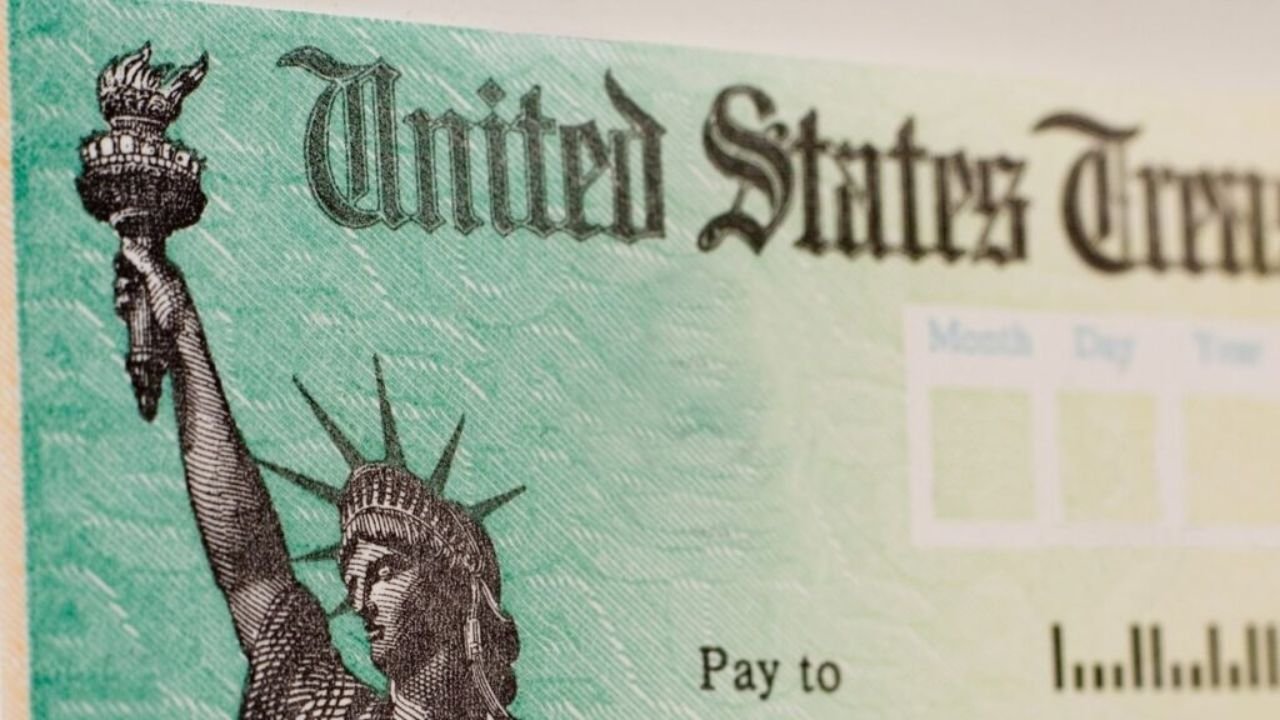
In March 2026, a significant number of Americans have been pleasantly surprised to find deposits amounting to nearly $2,000 in their bank accounts. This has led to widespread speculation that a new stimulus payment has been issued by the Internal Revenue Service (IRS). Social media platforms have fueled these expectations, with discussions suggesting that a nationwide payment is being distributed. However, tax experts have clarified that these deposits are more likely regular tax refunds rather than a new stimulus initiative.
The Origin of the $2,000 Payment Rumor
The notion of a $2,000 direct deposit has gained momentum largely due to the annual tax season activities. In the early months of the year, millions of Americans file their federal tax returns for the previous year. As refunds start to arrive, many individuals notice similar deposit amounts, which can create the illusion of a new government program being introduced. In reality, the IRS processes tax refunds on an individual basis. Universal payments are only issued if Congress officially approves a stimulus program. The deposits that many taxpayers are observing in March are typically refunds related to their 2025 tax filings.
Understanding How Tax Refunds Work
A tax refund occurs when a taxpayer has paid more in taxes during the year than they actually owed. This often happens because employers withhold taxes from each paycheck. If the total amount withheld exceeds the final tax bill, the government returns the extra money. Refund amounts can also increase if taxpayers qualify for refundable credits. Programs like the Earned Income Tax Credit and the Child Tax Credit can significantly enhance the refund amount for eligible households. In some instances, these credits can produce refunds even if the taxpayer owes little or no federal income tax.

Timing of Tax Refunds
Taxpayers who file their returns electronically and opt for direct deposit usually receive their refunds more quickly. In many cases, refunds arrive within about 21 days after the IRS accepts the return. Those who file in January or February often see their refunds appear in their bank accounts by mid or late March. Paper returns or more complex tax filings may take longer to process. Additional verification steps, such as identity checks or credit reviews, can also delay payments.
Protecting Yourself During Tax Season
During tax season, as large numbers of refunds are issued, scammers often try to exploit taxpayers. Fraudulent emails and messages claiming that a $2,000 payment has been approved are becoming more common. The IRS does not request payments through gift cards or wire transfers, and official communication usually occurs through secure channels. Taxpayers should rely on official tools, such as the IRS refund tracking system, to confirm the status of their refunds. Keeping personal and financial information secure can also help prevent identity theft during the filing season.
In conclusion, the $2,000 deposits that many Americans are noticing in March 2026 are usually standard tax refunds and not a new stimulus program. It is essential for taxpayers to understand the nature of these payments and to protect themselves from scams during tax season.
Also Read:
 IRS Refund Delivery Changes in 2026
Disclaimer: This article is for informational purposes only and should not be considered as financial or tax advice. Please consult a tax professional for specific guidance related to your situation.