The Impact of IRS CP53E Notice on Tax Refunds
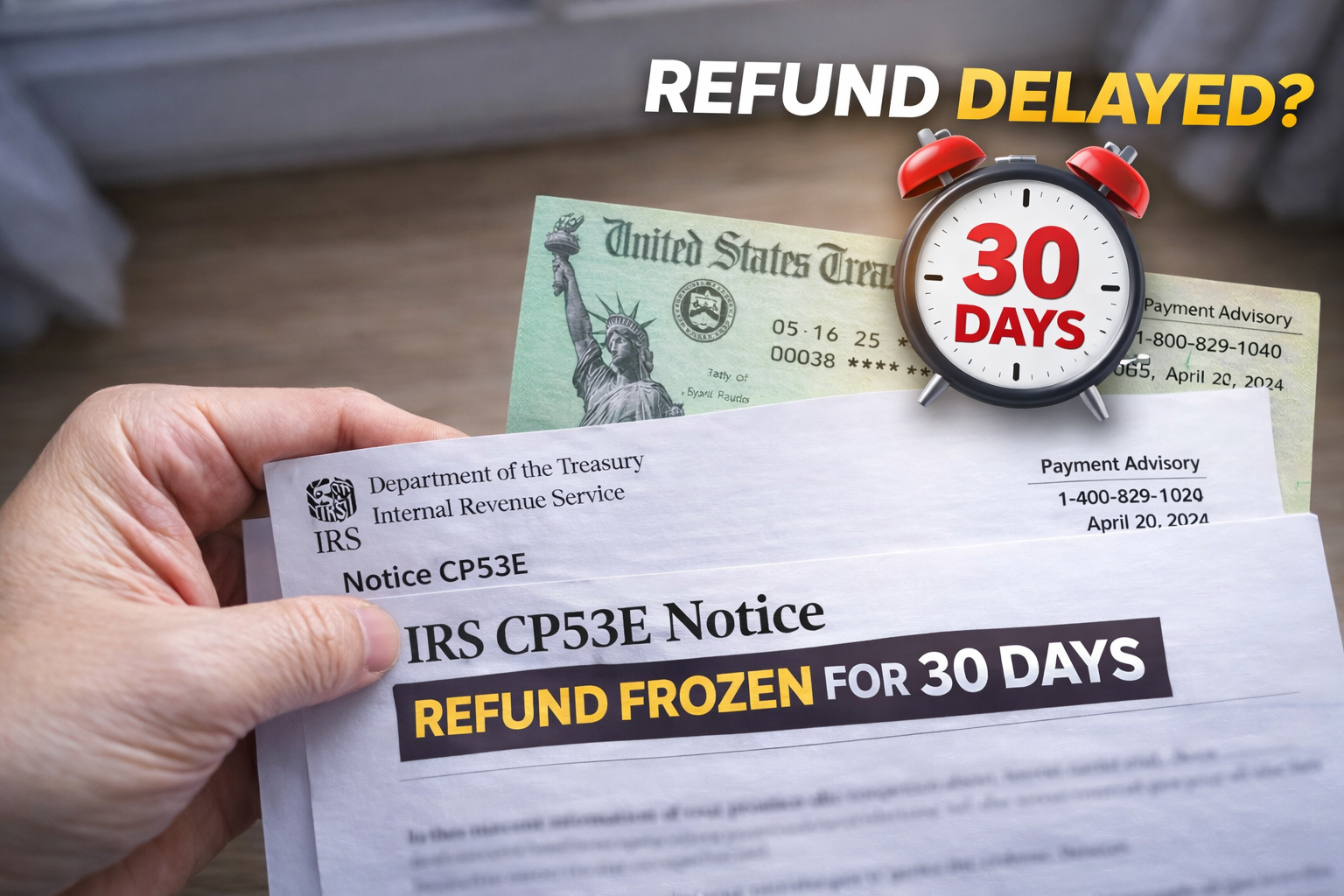
The 2026 tax season has introduced unexpected challenges for many taxpayers, especially those eagerly awaiting their refunds. A significant cause of concern is the IRS CP53E notice which has left numerous individuals puzzled and anxious. This official communication signifies that the Internal Revenue Service (IRS) has temporarily frozen a taxpayer's refund for up to 30 days to conduct additional checks. Understanding the implications of this notice, the reasons behind it, and the steps to take can help taxpayers navigate the situation more effectively and reduce unnecessary stress.
Understanding the IRS CP53E Notice
The IRS CP53E notice is an official document sent to taxpayers when there is an issue with their refund payment. This notice often indicates that the IRS has detected a problem with the bank account information submitted with the tax return. To prevent refunds from being deposited into the wrong account, the IRS may delay or stop the refund process. This temporary freeze, typically lasting about 30 days, allows the agency to review the situation and ensure that refunds are securely delivered to the correct recipient.

Common Reasons for Receiving a CP53E Notice
One of the primary reasons for a CP53E notice is incorrect or mismatched bank account details. If the account number or routing number does not align with the taxpayer’s information, the IRS cannot process the direct deposit. Instead of risking an incorrect deposit, the IRS holds the funds and initiates verification checks. This 30-day period is crucial for confirming accurate details and deciding on the appropriate refund method. In many instances, if direct deposit is not feasible, the IRS opts to issue the refund via a paper check to the taxpayer’s mailing address.
Other potential causes for a CP53E notice include closed or inactive bank accounts and mismatches between the taxpayer’s name and the bank account details. These issues can result in refund complications, and understanding them can help taxpayers avoid similar problems in future tax seasons.
The IRS Review Process and What to Expect
Once the IRS places a hold on the refund, it begins a thorough review of the information provided in the tax return. If the problem pertains to bank details, the IRS may try to verify the information or decide to issue the refund through an alternative method. In most scenarios, if direct deposit cannot be completed, a paper check will be sent to the taxpayer’s address. Although this process can extend the waiting period, it ensures that the refund is delivered to the correct individual.

After receiving a CP53E notice, taxpayers should anticipate waiting up to 30 days for the IRS to complete its review. Once this review is finished, the refund is typically issued within a few weeks, depending on the chosen payment method. If a paper check is issued, delivery times may vary based on postal services. Although the delay can be frustrating, it is a necessary step in the IRS process to secure proper refund delivery.
Disclaimer: This article is intended for informational purposes only and should not be considered as financial or legal advice. Taxpayers should consult the IRS or a tax professional for specific guidance related to their individual situations.