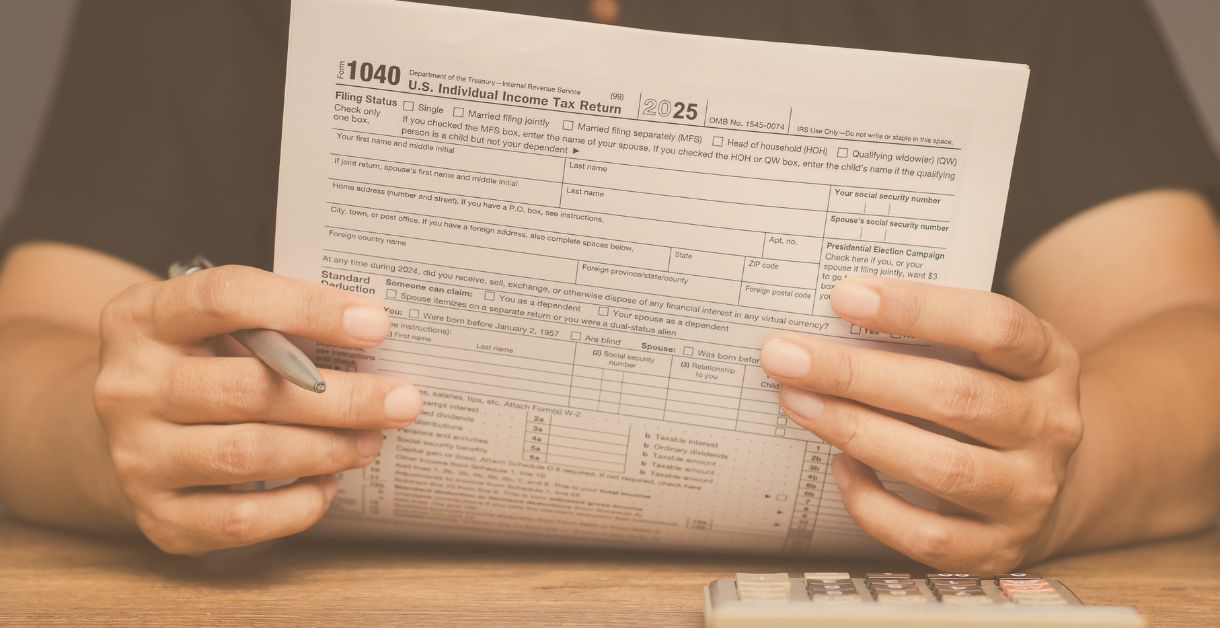
Many Americans have recently encountered discussions about a potential $2,000 federal direct deposit expected in March 2026. This speculation has caused some confusion, as people try to determine the origin and validity of these claims. In reality, these anticipated payments are closely tied to the annual tax filing season conducted by the Internal Revenue Service (IRS), rather than a new stimulus package.
Tax Refunds, Not Stimulus Payments
It is crucial to clarify that there has been no nationwide announcement of a $2,000 stimulus payment set for March 2026. Instead, many taxpayers are likely to receive deposits around this amount as part of their federal tax refunds. These refunds are issued after the IRS processes tax returns, and the amount each taxpayer receives is based on their individual tax situation.
How Tax Refunds Are Calculated
The calculation of tax refunds depends on several factors, including a taxpayer’s income, tax withholding, and eligibility for certain credits. When individuals pay more in federal taxes throughout the year than they owe, the surplus is refunded to them. Tax credits, such as the Earned Income Tax Credit or the Child Tax Credit, can significantly increase the total refund for eligible taxpayers. Each refund amount is individually determined based on the information provided in the tax return, and the amount can vary widely from one person to another.

Filing Methods and Timing
The method and timing of filing can impact when taxpayers receive their refunds. Individuals who file electronically and opt for direct deposit typically receive their refunds much faster than those who submit paper returns. The IRS usually processes electronic returns within 10 to 21 days. Early filers in the 2026 tax season might see their payments in early or mid-March, while those who file later could receive their deposits toward the end of March or early April. Paper filings generally take longer due to the need for manual processing.
Avoiding Delays and Scams
To avoid delays in receiving refunds, taxpayers should ensure they file their returns electronically and verify that their banking information is accurate before submission. Choosing direct deposit over a mailed check can also expedite the refund process. It is important for taxpayers to be vigilant during tax season, as scammers often circulate misleading claims about government payments. The IRS never sends unsolicited messages requesting personal or banking information to release refunds. Taxpayers should always confirm payment information through official IRS communication channels and avoid engaging with suspicious messages.
Conclusion
The widely discussed $2,000 federal deposit expected in March 2026 is primarily linked to tax refunds during the annual filing season, not a new stimulus payment. Each taxpayer’s refund amount depends on their specific tax details, withholding, and eligibility for credits. Filing accurate returns and opting for direct deposit are the most efficient ways for eligible taxpayers to receive their refunds swiftly and securely.
Also Read:
 IRS Refund Delivery Changes in 2026
Disclaimer: This article is for informational purposes only and does not constitute financial or tax advice. Payment amounts, refund timelines, and eligibility criteria may vary based on individual circumstances and tax regulations.