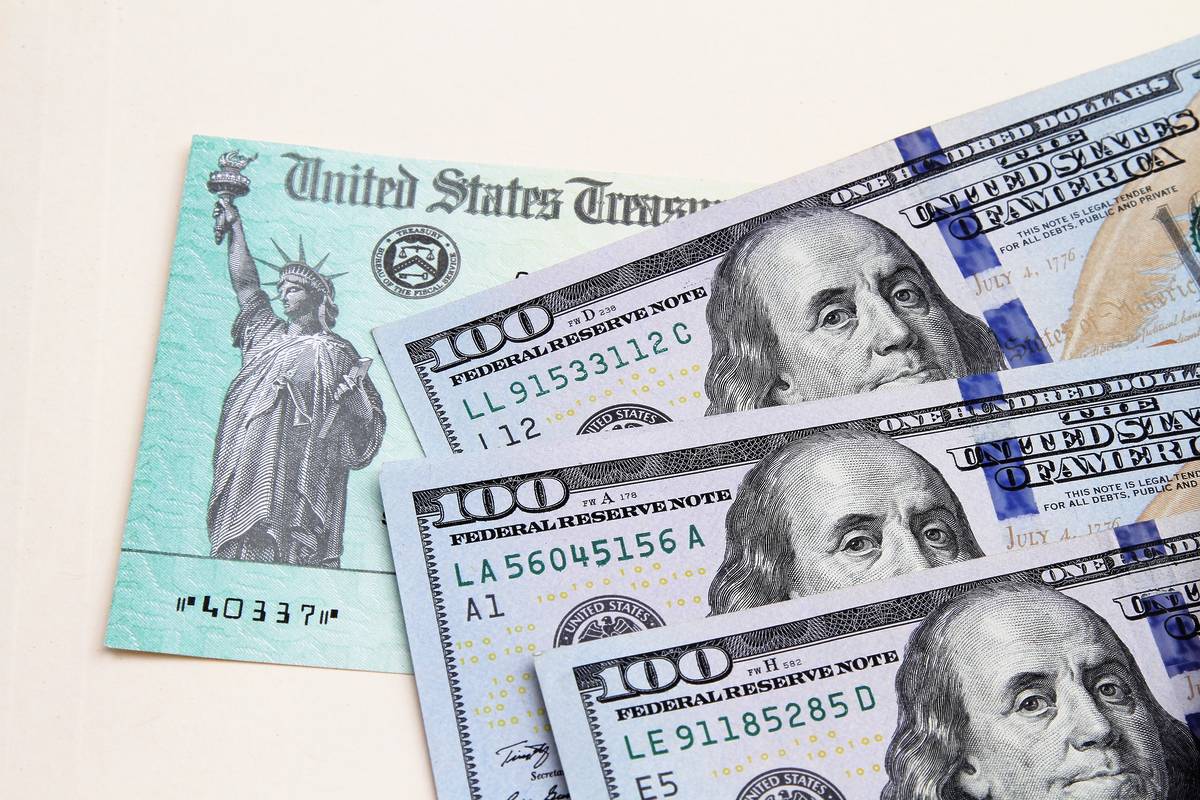
Millions of Taxpayers Eligible for IRS Pandemic Refund
In a surprising turn of events, a new federal court decision has opened the door for millions of taxpayers to reclaim money they unknowingly overpaid during the pandemic. The ruling offers a significant opportunity for those who settled tax penalties during the COVID-19 crisis, providing a chance to receive refunds from the IRS.
Understanding the Court Decision
The recent legal development stems from the case of Kwong v. United States, wherein the U.S. Court of Federal Claims determined that the pandemic qualified as a “federally declared disaster” under Internal Revenue Code Section 7508A(d). This classification required the IRS to suspend tax deadlines and penalties during the disaster period, a mandate that was not uniformly followed.

Impact of the Ruling
As a result of this ruling, millions of Americans who were saddled with late fees, interest charges, and failure-to-file penalties during the pandemic may now be eligible for refunds. These charges, assessed between early 2020 and mid-2023, were deemed improperly imposed due to the automatic suspension of tax deadlines during the disaster period. The court's decision reinforces previous victories, such as the Abdo v. Commissioner case, solidifying taxpayers' rights to reclaim their overpaid funds.
Who Qualifies for the Refund?
Taxpayers who incurred penalties or interest charges between January 20, 2020, and July 10, 2023, may qualify for this IRS pandemic refund. This applies to individuals and small business owners who faced financial hardships during the pandemic, particularly those in New York who struggled to keep up with payments amid city shutdowns. If you settled old tax debts or addressed outstanding filings from 2021 or 2022 during this period, it is crucial to review your records for any penalty charges.

Steps to Claim Your Refund
The IRS will not automatically issue these refunds, so eligible taxpayers must take proactive steps. The window to file claims is closing, with a deadline set for July 10, 2026. Filing your claim now will act as a "placeholder," ensuring you have the opportunity to receive your refund, even if the IRS decides to appeal the court decision later.
Separate from New York State Inflation Refunds
It is important to note that this IRS refund is distinct from any potential New York State inflation refund checks. While the state checks represent a one-time financial aid effort, the IRS refunds aim to return money that was unjustly collected from taxpayers during the pandemic.
Act Quickly to Secure Your Refund
If you believe you are eligible for this refund, it is essential to gather your documents and file your claim as soon as possible. This opportunity to reclaim your money is a direct result of the court's decision to correct the mistakes made during the pandemic period.
Also Read:
 March 18, 2026 Social Security Payments: Confirm Your Eligibility and Schedule – Gaekwads of Baroda
Disclaimer: This article is intended for informational purposes only and does not constitute legal or financial advice. Please consult a professional for guidance specific to your situation.