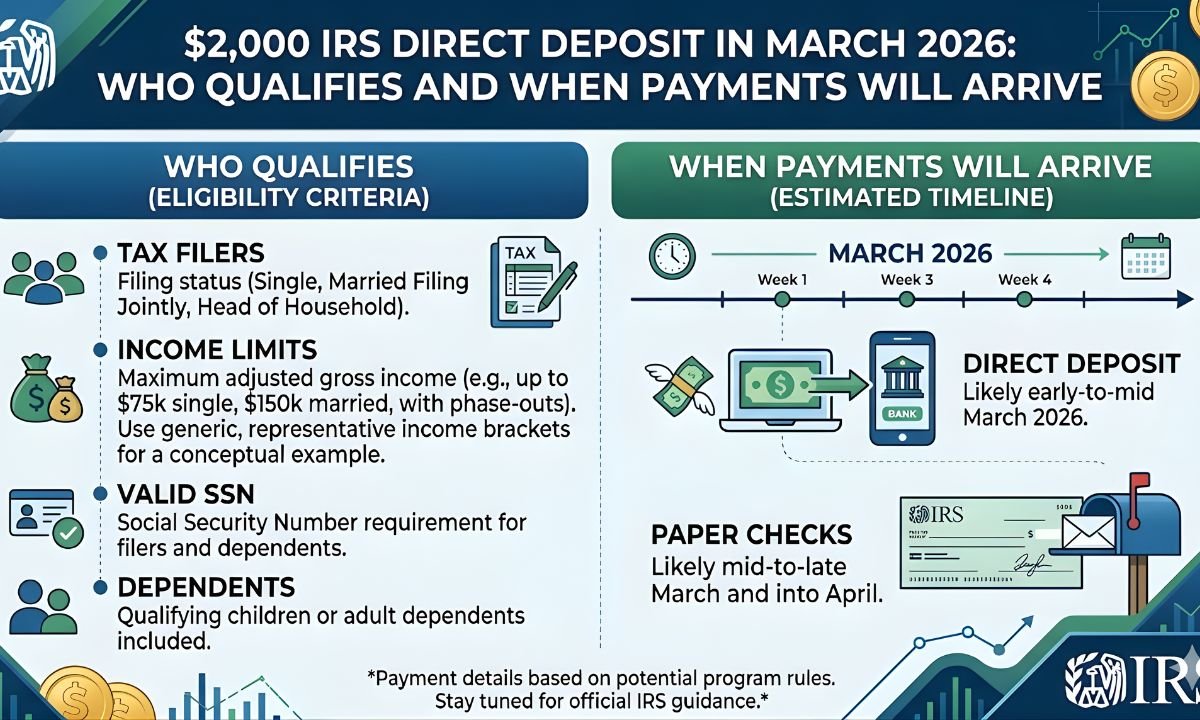
The 2026 Income Tax Refund Schedule
The Internal Revenue Service (IRS) has announced that income tax refunds for the 2026 filing season will begin arriving in March. This announcement is crucial for millions of Americans who depend on their tax refunds for various financial needs. For many households, receiving a tax refund is not merely an annual event but a significant financial opportunity to manage essential expenses, pay off debts, or bolster personal savings. As the new filing season is underway, taxpayers who have already submitted their returns can anticipate seeing payments credited to their accounts during March.
How Filing Method Impacts Refund Timing
The method taxpayers choose to file their returns significantly influences the speed at which they receive their refunds. Electronic filing, coupled with selecting direct deposit, is the fastest way to get a refund. Taxpayers who opt for this method often receive their refunds within 10 to 21 days after the IRS accepts their return. This is because electronic filing allows information to swiftly move through the system, minimizing the need for manual processing.

Conversely, taxpayers who send in paper returns may face longer waiting periods. Paper filings necessitate manual reviews and must be delivered through the postal system, which inherently takes more time. Consequently, refunds for mailed returns can take several weeks longer compared to electronic filings.
The Importance of Accurate Tax Information
Accuracy in tax returns is another critical factor that determines how quickly a refund is issued. Tax returns that incorporate correct personal details and complete financial information tend to be processed more efficiently by the IRS. Filing early also contributes to a shorter waiting period, as early submissions are processed before those made later in the season.
Errors can lead to delays in receiving a refund. Mistakes such as incorrect Social Security numbers, missing documents, or mismatched income records may necessitate additional verification. In some cases, the IRS might conduct identity verification checks to prevent fraud and protect taxpayers, further delaying the refund process.

Tracking Refund Status Online
To keep track of their refund progress, taxpayers can use the official IRS online tracking tools. These tools update typically within 24 hours after an electronic return is accepted. By entering their Social Security number, filing status, and the exact refund amount listed on their return, individuals can stay informed about the status of their refund as it is processed.
Why Refunds Matter for Many Households
For a significant number of families, tax refunds represent a vital financial resource. Some households use this money to pay rent, cover medical expenses, or reduce credit card balances. Others place these funds into savings accounts or emergency funds. The certainty that refund payments will begin arriving in March enables taxpayers to plan their finances with greater assurance.
Conclusion
With the 2026 tax filing season already in progress, eligible taxpayers can look forward to receiving their refunds starting in March. This timely arrival of refunds is a welcome relief for many households, allowing them to address various financial obligations.

Disclaimer: This article is for informational purposes only and does not constitute financial or legal advice. For specific tax-related queries, please consult a qualified tax professional.